
For some patients, most dental procedures can only be performed safely under anesthesia.
This is especially true for children. Pre-cooperative toddlers, children with extensive early childhood caries, and patients with anxiety or complicated treatment needs often cannot tolerate treatment in a traditional dental setting. Sedation or general anesthesia allows providers to complete care safely and efficiently.
But treating patients under sedation can be logistically tricky. While some dental practices can perform moderate sedation in-office, typically this is reserved for patients with limited treatment needs. In-office sedation can be unsuccessful depending on how the patient responds to the sedation medications. For patients with extensive treatment needs, dentists typically need access to operating rooms and anesthesia teams.
Dentists historically use local hospitals for sedation. But hospital operating rooms are under pressure, with competing surgical priorities, and financial incentives that favor higher-revenue procedures. Pediatric dental cases are frequently deprioritized or pushed off schedules entirely. Even when access is available, navigating credentialing and scheduling can take months.
I discussed these challenges with Dr. Serena Kankash, a pediatric dentist specializing in care under sedation. She described how difficult it can be for dentists to establish and maintain relationships with local hospitals.
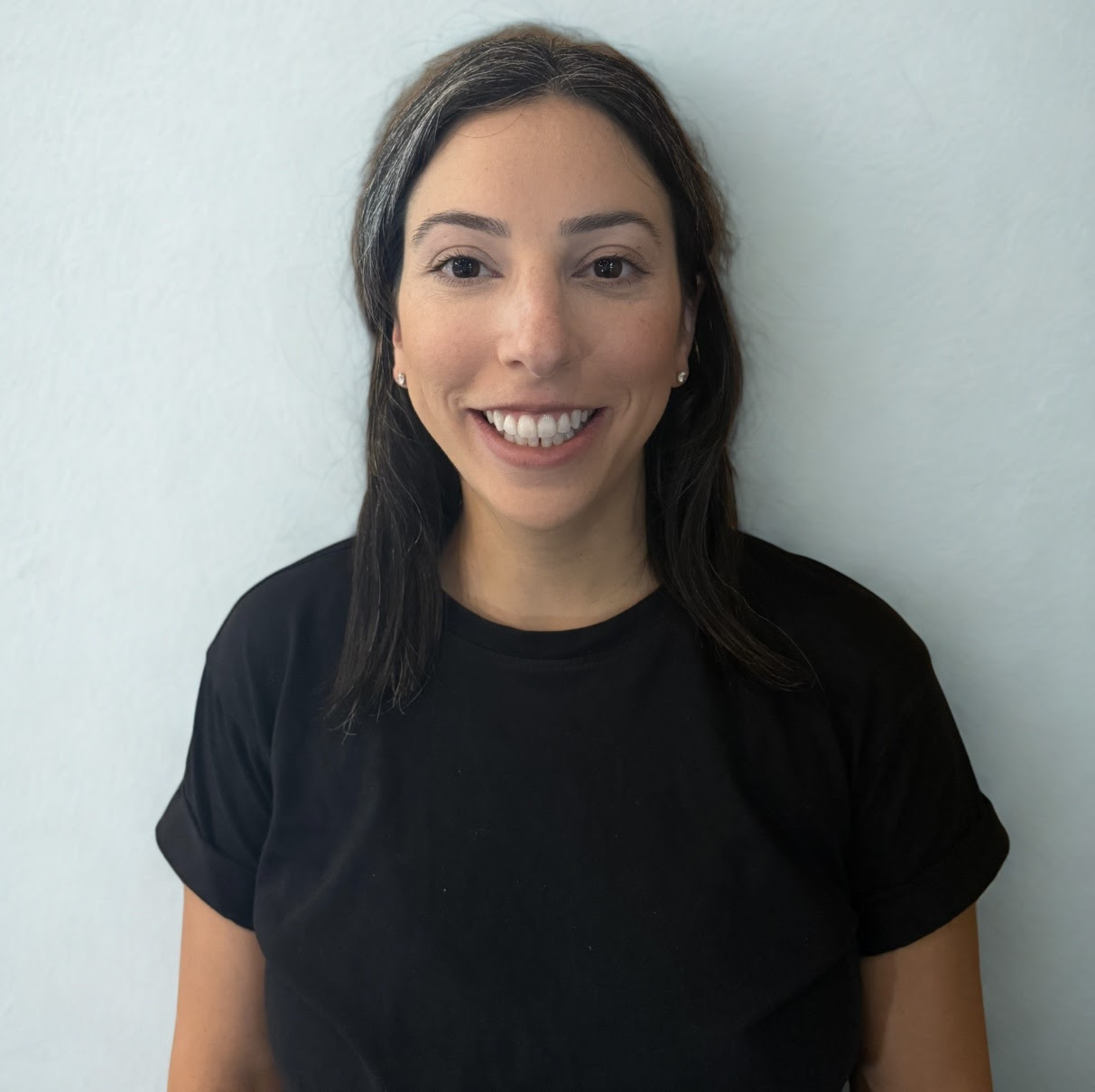
“It took at least six months, maybe nine months, to get credentialed at the hospitals. I never ended up using their OR,” said Dr. Kankash.
These access barriers fall hardest on patients covered by Medicaid. Pediatric practices that accept Medicaid often have long waiting lists, as long as six months just for initial examination. During that time, diseases progress and families are often left with few alternatives.
Dr. Kankash’s practice, Soaring Smiles Dentistry for Children, was founded six months ago and operates exclusively on a referral basis, treating only children who require sedation. The practice has established relationships with two ambulatory surgery centers (ASCs), one in Fayetteville and one in Garner. Treatment plans are coordinated in advance, and care is delivered on a designated day with an anesthesia team on site. This model reduces overhead and avoids dependence on hospital ORs.
“We do everything virtually. They get scheduled, and I see them on the day of their dental surgery to treat all their dental needs,” said Dr. Kankash. “They return to their home office for routine and follow-up care.”
Other practices partner with traveling anesthesiologists who service multiple dental offices. This can expand capacity quickly, but success depends on clear billing arrangements. But challenges remain. Medicaid’s payment models provide different payment levels for in-office anesthesia and anesthesia performed in an ASC, and private insurers vary.
Travel also remains an issue for patients.
“Right now, patients travel to Garner and to Fayetteville. But for patients in rural areas, that can still be far. I’m trying to get OR time at hospitals in more parts of the state, like Siler City. These places have a need, and there’s nobody there to provide services.”
For families without reliable transportation or flexible work schedules, distance alone can make care inaccessible. For a practice model like this to expand, more dental-capable ASCs are needed in more cities.
If you’re experimenting with ASCs, mobile anesthesia, or referral-based care, share what you’re learning. These workarounds point to what’s possible, but long-term access will require coordination among dentists, anesthesiologists, hospitals, ASCs, and payers.
NCOHC, a Foundation for Health Leadership & Innovation program, works to advance systems-level changes, improving the overall health and well-being of all North Carolinians by increasing access and equity in care. Sign up for our monthly newsletter to join the network and get involved!